Elderly Care: What It Really Means and How Communities Are Step Up
When we talk about elderly care, the system of support that helps older adults live safely, comfortably, and with dignity. Also known as senior care, it’s not just about medicine or nursing homes—it’s about who shows up when the grocery bags are too heavy, who remembers to call on a Tuesday, and who makes sure someone isn’t eating the same meal three days in a row. In places like Virginia, programs like the Senior Food Program, a state-run initiative that delivers nutritious meals to older adults who struggle to access food are turning basic survival into real quality of life. These aren’t charity handouts—they’re lifelines built on the idea that no one should age alone.
Community outreach, the direct, person-to-person effort to connect vulnerable people with resources they need is the hidden engine behind most successful elderly care models. It’s not flyers on a bulletin board or a one-time event. It’s volunteers knocking on doors, learning names, noticing when a neighbor hasn’t been seen in days. That’s how programs like food boxes and meal deliveries actually reach the people who need them most. And it’s why so many of these efforts rely on volunteers, people who give time not for pay, but because they see a need and choose to act. You don’t need a degree to help an elderly person get to their doctor. You just need to show up.
The aging population isn’t a future problem—it’s here, right now. And the systems we’ve built are stretched thin. But what’s growing faster is the grassroots response: neighbors forming carpool networks, churches turning halls into weekly lunch spots, youth groups visiting seniors to read or just sit quietly. These aren’t grand gestures. They’re small, consistent acts of attention. And that’s what keeps people from falling through the cracks. The posts below show you how these efforts actually work—from how food programs are organized, to why volunteers stay involved, to what happens when outreach is done right. You’ll find real examples, not theory. Real people, not statistics. And if you’ve ever wondered how to help someone older in your life—this is where to start.
24 January 2025
Elara Greenwood
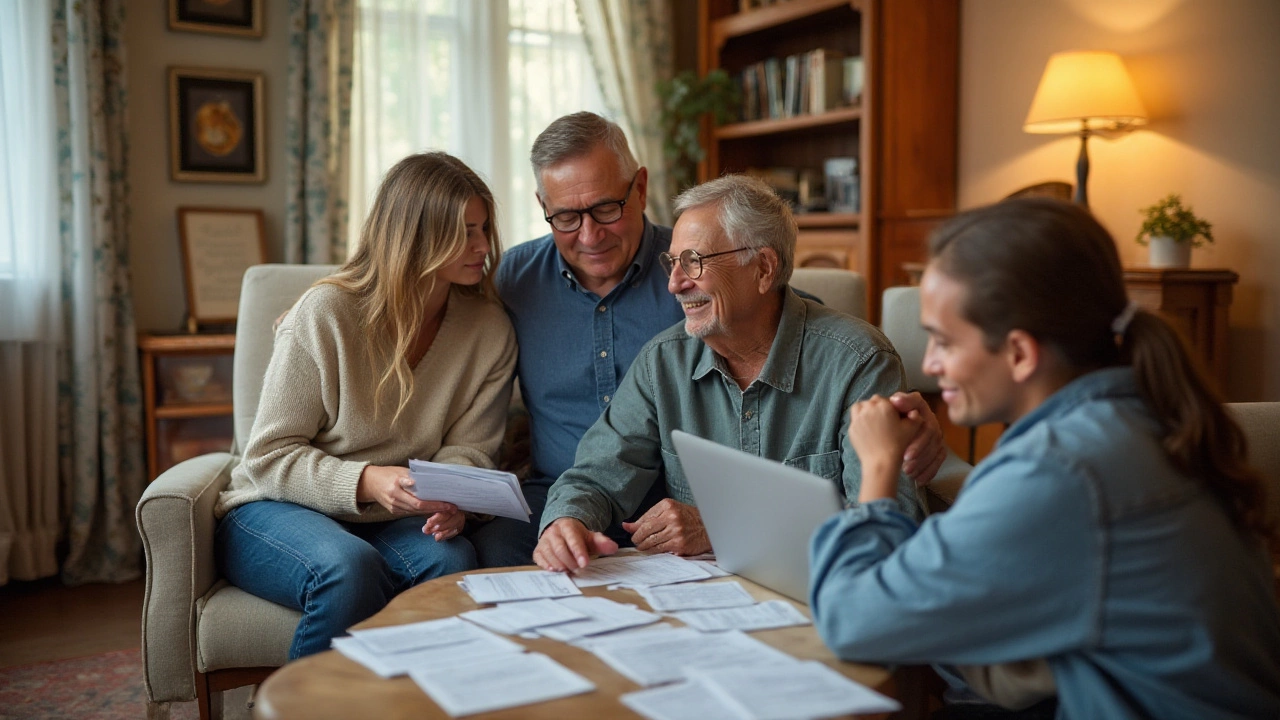
Caring for an aging parent can be challenging, both emotionally and financially. In Massachusetts, various programs exist that allow family members to receive compensation for taking on the role of caregiver. This article explores the eligibility requirements, application processes, and potential compensation options available for family caregivers. Additionally, it offers insights into the support and resources that Massachusetts provides to families engaged in elderly care.
Continue Reading...