AIESEC: What It Is, How It Works, and Why It Matters for Young Volunteers
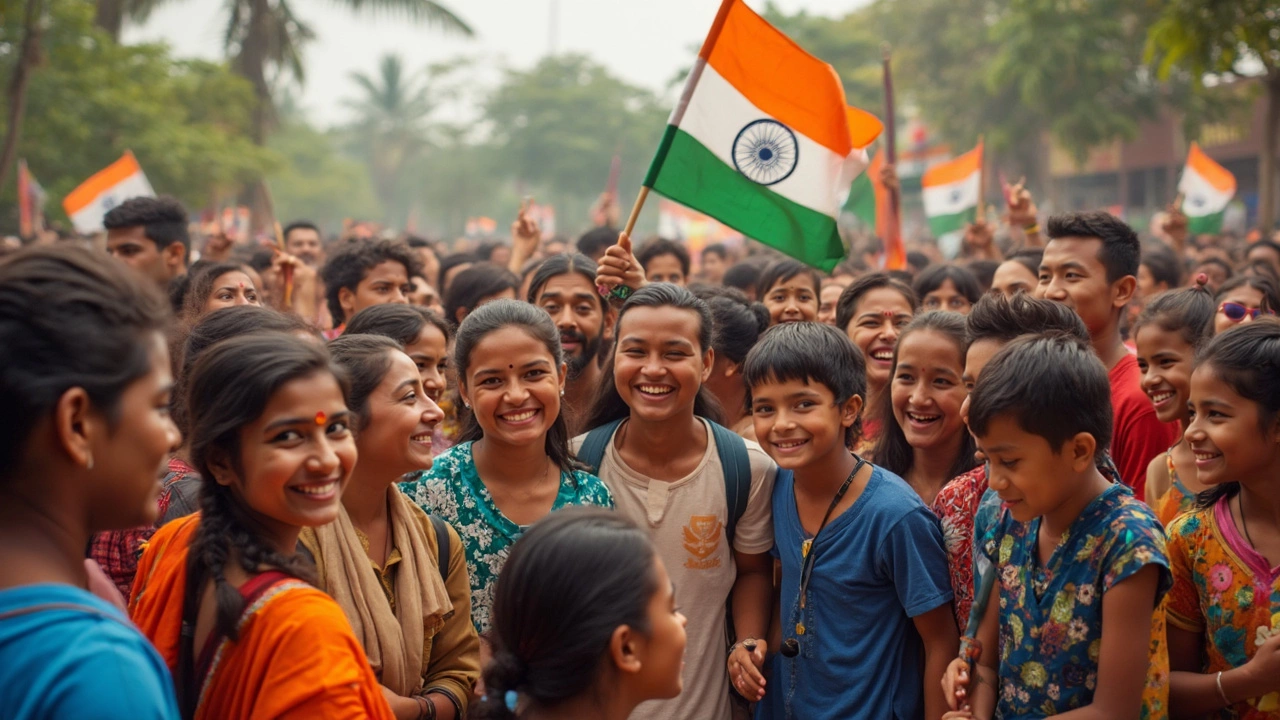
When you hear AIESEC, a global, student-run organization focused on leadership development and cross-cultural exchange through internships and volunteer projects. Also known as International Association of Students in Economic and Management Sciences, it's not just another club—it's a network that has sent over 1 million young people abroad since 1948 to lead real projects in areas like education, sustainability, and community development. Unlike typical student groups, AIESEC doesn’t wait for permission to act. Members run their own initiatives, manage budgets, recruit teams, and partner with NGOs and businesses—all while still in school.
AIESEC connects directly with youth leadership, the practice of empowering young people to take initiative, solve problems, and lead teams without waiting for adult approval. It’s not about titles or grades. It’s about stepping up: organizing a clean-up drive in Kenya, teaching coding to teens in Peru, or helping a local startup in Poland scale its impact. These aren’t theoretical exercises. They’re real roles with real deadlines, real stakeholders, and real consequences. And that’s why so many participants say their AIESEC experience changed their career path more than any internship or class ever did.
It also ties into global internships, structured, paid or unpaid work experiences abroad that focus on professional growth and cultural immersion, often managed by youth organizations like AIESEC. These aren’t tourism trips with a volunteer label. They’re 6- to 12-week placements where students take on responsibilities like marketing campaigns, logistics planning, or community outreach—tasks that would normally go to entry-level professionals. Many participants end up getting hired by the organizations they worked with, or land jobs back home because they can show they handled complex projects under pressure.
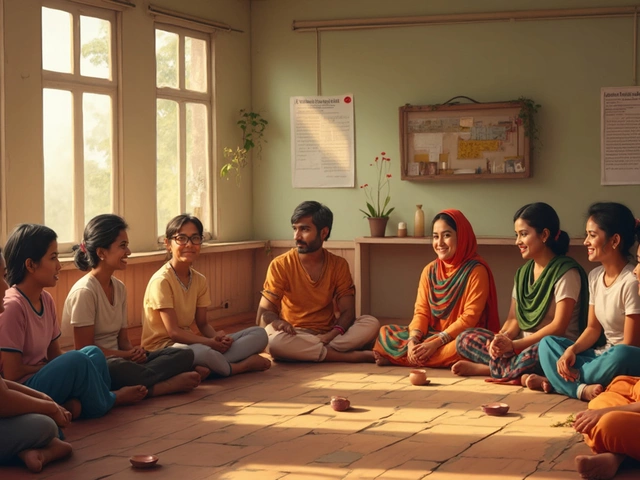
What makes AIESEC different from other youth groups? It’s the structure. Every chapter is run by students, for students. There’s no corporate sponsor pulling strings. No adult director micromanaging. Just a clear system: train, lead, deliver, reflect. You learn by doing—and failing—and trying again. That’s why it’s so popular on campuses where students are tired of passive learning. They want to build something that matters, not just check a box.
And it’s not just for business majors. While AIESEC started in economics and management, today’s projects span education, tech, environment, health, and human rights. Whether you’re studying art, engineering, or psychology, there’s a role that fits. You don’t need to speak five languages. You don’t need to be perfect. You just need to show up, listen, and commit.
Below, you’ll find posts that dig into the real side of volunteering—why people join, what they gain, how it changes them, and why some walk away. You’ll see how AIESEC fits into the bigger picture of youth engagement, global mobility, and the quiet revolution happening on campuses and in communities where young people are choosing purpose over prestige.
5 May 2025
Elara Greenwood
Curious about which group tops the charts for being the biggest youth-run organization? This article goes straight to the facts, uncovering the world's largest youth-led network. From its global reach to the way it shapes leadership in young people, find out how it operates and why teens and young adults keep joining. Get tips on how to get involved, along with some real numbers that might surprise you. No fluff, just everything you need to know about this major player in the youth scene.
Continue Reading...