Food Bank Access Planner
Most food banks require a referral from a professional or community group. Do you have one?
Estimate how long your visit might take based on typical wait times.
Click items to mark them as prepared. Bring these with you to ensure a smooth experience.
- 📞 Called ahead to confirm hours Tap to check
- 🪪 Photo ID (License/Passport) Tap to check
- 📄 Referral slip/voucher Tap to check
- 🛍️ Reusable bags (sturdy) Tap to check
- 🥗 List of dietary restrictions Tap to check
- 💧 Water bottle (for waiting) Tap to check
0 of 6 items checked
You’re standing in your kitchen. The cupboard is bare. Maybe you’ve had a bad week at work, or perhaps the cost of groceries has quietly eaten into your rent money until there’s nothing left for dinner. You’ve heard about food banks, but the idea of walking in and asking for help feels intimidating. Will they judge me? Do I need paperwork? How does this actually work?
Here is the truth: local pantries are not charity cases; they are logistical hubs designed to keep families fed when life gets unpredictable. In New Zealand, where we call them food banks or community pantries, the system is surprisingly straightforward once you know the steps. This guide breaks down exactly what happens behind the scenes and how you can get the support you need without the stress.
The Referral System: Who Can Get Help?
Most people assume you just walk up to a counter and grab a bag of rice. While some places operate on an "open door" policy, many established food banks rely on a referral system. This isn’t about gatekeeping; it’s about resource management. Volunteers often don’t have the time to assess every individual’s financial situation deeply during a busy shift.
A referral usually comes from a trusted third party. Think of your GP, a school counselor, a social worker, or even a neighbor who knows you’re struggling. These professionals vouch for your immediate need. If you’re in Wellington, for example, organizations like Wellington City Mission might accept referrals from doctors if you’re facing a health-related food crisis.
- Social Workers: Often provide vouchers valid for one or two weeks.
- Health Professionals: GPs may write a note confirming you need nutritional support.
- Schools: Teachers often refer families if children come to class hungry.
- Community Groups: Churches or marae (traditional meeting grounds) sometimes issue their own passes.
If you don’t have a referral yet, call ahead. Many centers will tell you if they require one or if they can assess you on the spot. It saves you a trip and reduces anxiety.
What’s Actually in the Box?
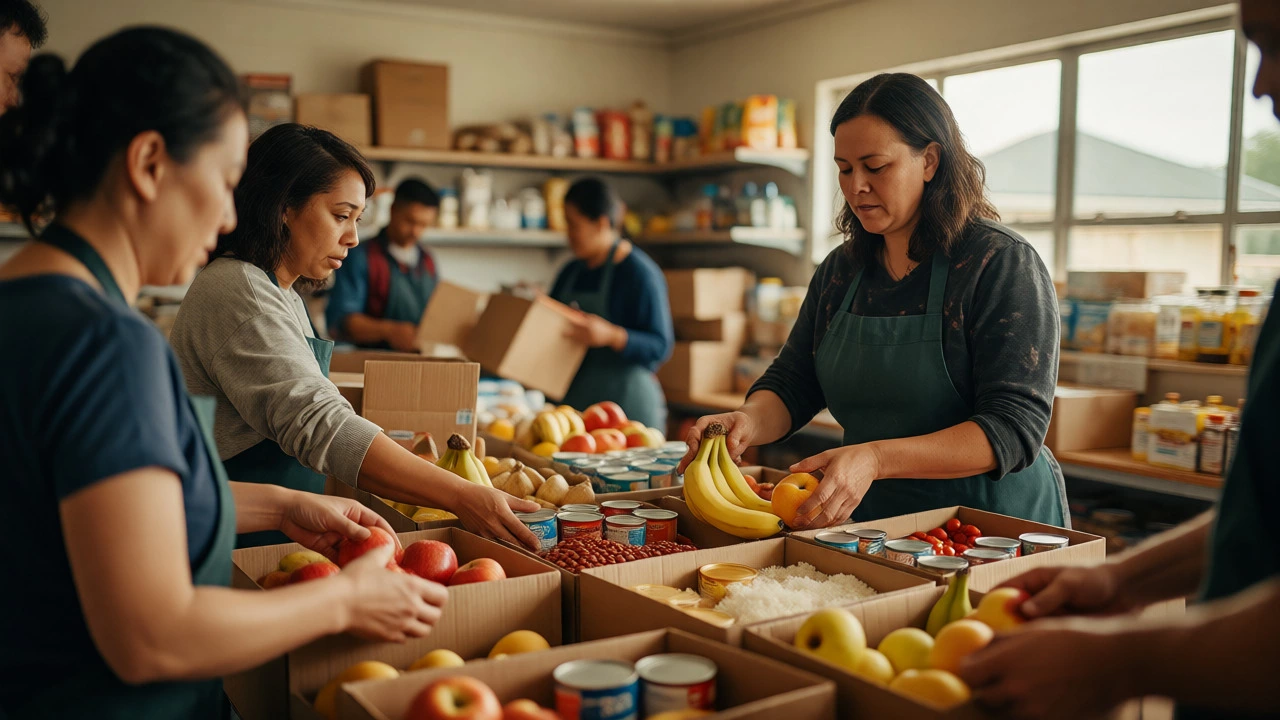
Forget the stereotype of dented cans and expired bread. Modern pantries aim for dignity and nutrition. The contents depend heavily on donations, but most follow a basic template to ensure a balanced diet for a set period-usually three to seven days for a family unit.
| Category | Typical Pantry Item | Nutritional Note |
|---|---|---|
| Protein | Canned tuna, beans, lentils, or UHT milk | Shelf-stable proteins that don't require refrigeration immediately. |
| Carbohydrates | Rice, pasta, oats, or long-life bread | High-energy staples to fill you up. |
| Fresh Produce | Apples, bananas, carrots, or onions | Depends on donation cycles; fresher items appear mid-week. |
| Pantry Staples | Oil, salt, sugar, tea/coffee | Essentials often overlooked by donors but critical for cooking. |
| Extras | Biscuits, jam, peanut butter | Morale boosters and quick snacks for kids. |
In recent years, there’s been a shift toward fresh produce. Organizations partnering with local growers or supermarkets now deliver crates of seasonal vegetables. If you’re worried about eating only processed food, ask specifically about fresh options. Some pantries also offer dietary accommodations. If you’re gluten-free, vegetarian, or managing diabetes, speak up. Volunteers want to help, but they can’t guess your needs.
The Logistics: Hours, Locations, and Waiting
Timing matters. Most community food providers operate on limited hours, often mornings or early afternoons. Why? Because sorting donations takes all day. If you arrive at 4 PM, the team might be packing boxes for tomorrow, not serving clients today.
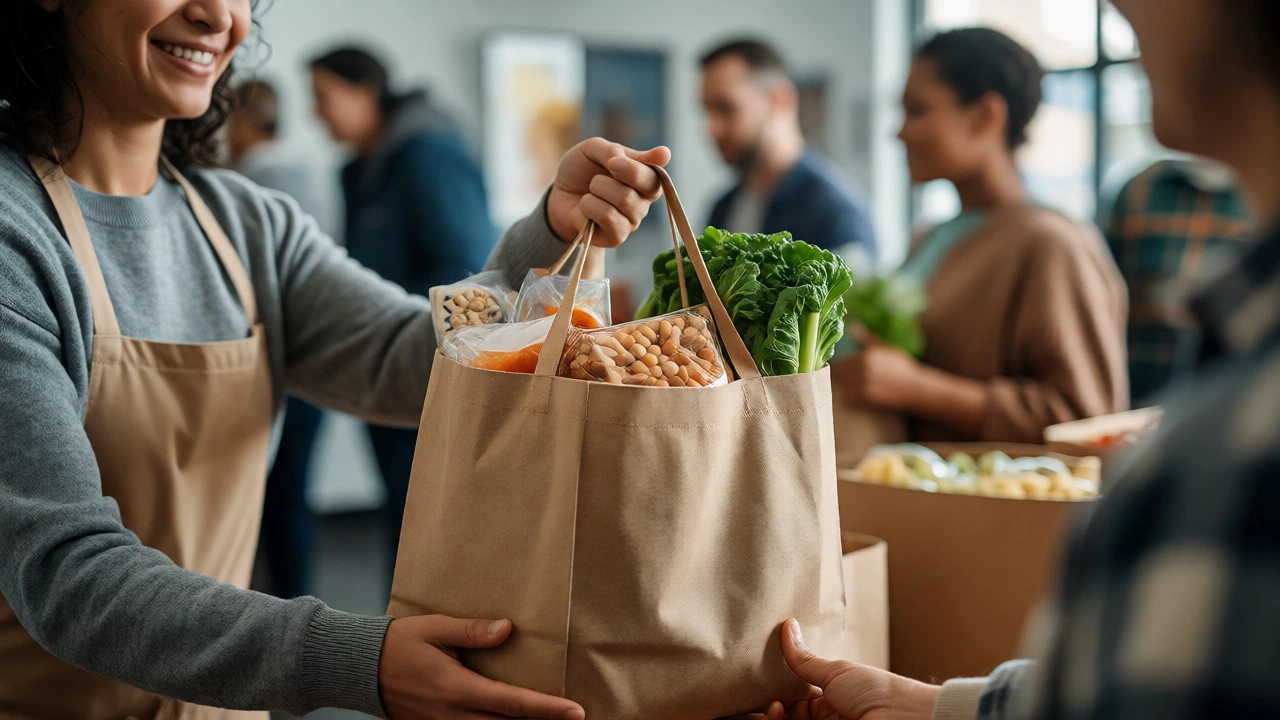
Expect a wait. Even if you have a voucher, processing takes time. You’ll likely sit in a waiting area while volunteers check your details and pack your parcel. Bring a reusable bag if you can-it’s more eco-friendly and easier to carry than plastic sacks. If you have mobility issues, let them know when you book. Many centers have drive-through options or home delivery services for those who cannot travel.
Location varies wildly. One might be in a church hall, another in a repurposed retail store, and another in a community center basement. Use online directories like Foodbank NZ’s locator tool to find the nearest hub. Don’t assume the closest one is open; always check their current operating status before leaving the house.
Is There a Limit? Frequency and Duration
This is the question everyone asks but rarely voices. How many times can I go? The answer depends on the organization’s funding and volunteer capacity. Generally, you might be eligible for assistance once every four to six weeks. This prevents stock depletion and ensures fairness across the community.
However, crises aren’t predictable. If you lose your job suddenly, you might need help two weeks in a row. Explain your situation honestly. Most coordinators have discretion to extend support if the context warrants it. They understand that a single box doesn’t solve systemic poverty; it’s a bridge, not a destination.
Some programs offer longer-term solutions alongside the food parcels. For instance, you might be connected with budgeting advisors or employment agencies. Taking advantage of these extra services can reduce your reliance on the pantry over time. It’s worth asking, “What else do you offer besides food?”
Overcoming the Stigma
Walking into a food bank feels vulnerable. You might worry about being seen by neighbors or feeling shame. But consider this: in 2026, economic instability affects people from all walks of life. Students, gig workers, retirees on fixed incomes, and parents between jobs all use these services. It’s not a mark of failure; it’s a smart use of community resources.
Volunteers are trained to be non-judgmental. They see hundreds of faces a month. To them, you’re a person needing a meal, not a statistic. If anxiety is high, bring a friend or family member for moral support. Or, choose a less prominent location if that helps your comfort level. Remember, using a local pantry is a right, not a privilege, in a society that values collective care.
Also, don’t underestimate the power of gratitude. Saying thank you goes a long way, but so does normalcy. Chatting briefly about the weather or the quality of the apples makes the interaction human rather than transactional. It reminds both you and the volunteer that this is just part of daily life.
Next Steps: Preparing for Your First Visit
Ready to make the move? Here’s a quick checklist to streamline your first experience:
- Locate: Find your nearest center via an online map or phone directory.
- Verify: Call to confirm opening hours and referral requirements.
- Prepare: Gather any ID, referral slips, or proof of address if requested.
- Pack: Bring sturdy bags and a list of dietary restrictions.
- Visit: Arrive slightly early, stay calm, and communicate your needs clearly.
If you’re unsure about eligibility, just ask. The worst-case scenario is they say no, and you haven’t lost anything but ten minutes of your time. The best case? You eat tonight, and your family sleeps easier knowing tomorrow is covered.
Do I need identification to use a food bank?
Requirements vary by organization. Some ask for photo ID to prevent fraud, while others trust verbal declarations of residency. Always check ahead, but generally, having some form of ID (driver's license, passport, or student card) makes the process smoother.
Can I choose what food I receive?
Usually, no. Parcels are pre-packed based on household size and available stock. However, you can request swaps if you have allergies or strong dislikes. Volunteers try to accommodate reasonable requests, such as replacing canned fish with beans if you dislike seafood.
How often can I visit a food bank?
Most centers allow visits every 4 to 6 weeks. During emergencies, this frequency may increase. If you find yourself returning monthly, ask staff about long-term support programs or budgeting advice to help stabilize your situation.
Are food banks free?
Yes, standard food parcels are free. Some newer models, like "pay-as-you-feel" cafes or discount markets, charge a nominal fee to maintain dignity and sustainability. Traditional food banks rely entirely on donations and grants, so there is no cost to the recipient.
What if I don't have a referral?
Many food banks operate on an open-access basis, especially during peak demand periods. Others may accept self-referrals if you explain your hardship. Call ahead to confirm; if they strictly require referrals, ask which local agencies (like schools or clinics) can provide one quickly.