Community Outreach Launch Checklist
Use this interactive tool to track your progress as you plan your outreach initiative. Check off items as you complete them to see your readiness score.
Most people think starting a community outreach program is about showing up with flyers and a smile. But if you’ve ever stood on a corner handing out pamphlets while everyone rushed past, you know that’s not enough. Real change happens when you stop guessing what people need and start listening. Whether you’re running a food drive in Wellington or a literacy initiative in Auckland, the difference between a flop and a success usually comes down to preparation and genuine connection.
This guide isn’t just theory. It’s a roadmap for turning good intentions into tangible results. We’ll break down how to identify real needs, build a team that sticks around, and measure success without drowning in spreadsheets. If you’re ready to make your program matter, let’s get to work.
Start With Listening, Not Launching
You might have a brilliant idea for a new park cleanup or a senior support group. But do the people in that neighborhood actually want it? Too many programs fail because they solve problems that don’t exist. Before you spend a single dollar, you need to validate your concept through direct engagement.
Start by talking to existing community leaders. This doesn’t mean just the mayor. Talk to the owner of the local bakery, the librarian, the school principal, and the person who runs the corner shop. These folks see the daily struggles and triumphs of the neighborhood. Ask them specific questions: "What’s missing here?" "Who feels left out?" "What would make this place better?"
Once you have anecdotal evidence, back it up with data. Look at local council reports, census data, or health statistics. For example, if you’re planning a youth program, check recent crime stats or school attendance records in that specific suburb. If you’re targeting seniors, look at isolation rates or access to transport services. Combining human stories with hard numbers gives you a solid foundation to pitch to funders and partners.
| Assessment Area | Action Step | Resource Example |
|---|---|---|
| Demographics | Analyze age, income, and cultural mix | Stats NZ Census Data |
| Existing Services | Map current providers to avoid duplication | Local Council Service Directory |
| Barriers | Identify why people aren’t using current services | Focused Group Interviews |
| Assets | List available spaces, skills, and networks | Community Center Inventory |
Define Clear Goals and Scope
Once you know the problem, define exactly what your program will do. Vague goals like "help the community" lead to vague results. You need specific, measurable objectives. Instead of saying "reduce hunger," try "provide 500 nutritious meals per week to families in the Miramar area." Specificity helps you track progress and keeps your team focused.
Keep your scope manageable. It’s tempting to try everything at once-food, housing, education, and healthcare all in one go. Resist that urge. Start small. Pick one core service that addresses the most urgent need identified in your assessment. You can always expand later. A pilot program that works well is infinitely better than a sprawling initiative that collapses under its own weight.
Write down your mission statement. Make it short and punchy. Something like "Connecting isolated seniors with local volunteers through weekly coffee visits." This becomes your north star. Every decision you make-from hiring staff to buying supplies-should align with this statement. If it doesn’t serve the mission, cut it.
Build Your Team and Partnerships
No one builds a successful outreach program alone. You need a mix of paid staff, dedicated volunteers, and strategic partners. Volunteers are often the backbone of these initiatives, but they require careful management. Treat them like professionals, even if they aren’t getting paid.
Recruit volunteers who share your passion but also bring diverse skills. You’ll need organizers, communicators, and people who are good with people. Create clear roles and responsibilities. Ambiguity leads to burnout. If someone is responsible for social media, define exactly what that means: three posts a week, responding to comments within 24 hours, and reporting metrics monthly.
Partnerships amplify your reach. Collaborate with local businesses, schools, and other non-profits. A local cafe might donate space for your meetings. A university might provide student interns. A hardware store might donate materials for a repair workshop. These relationships reduce costs and embed your program deeper into the community fabric.
- Volunteers: Recruit from local universities, corporate CSR programs, and retired professionals.
- Business Partners: Seek sponsorships, in-kind donations, and venue support.
- Institutional Allies: Partner with schools, libraries, and health clinics for referrals.
Create a Sustainable Budget and Funding Plan
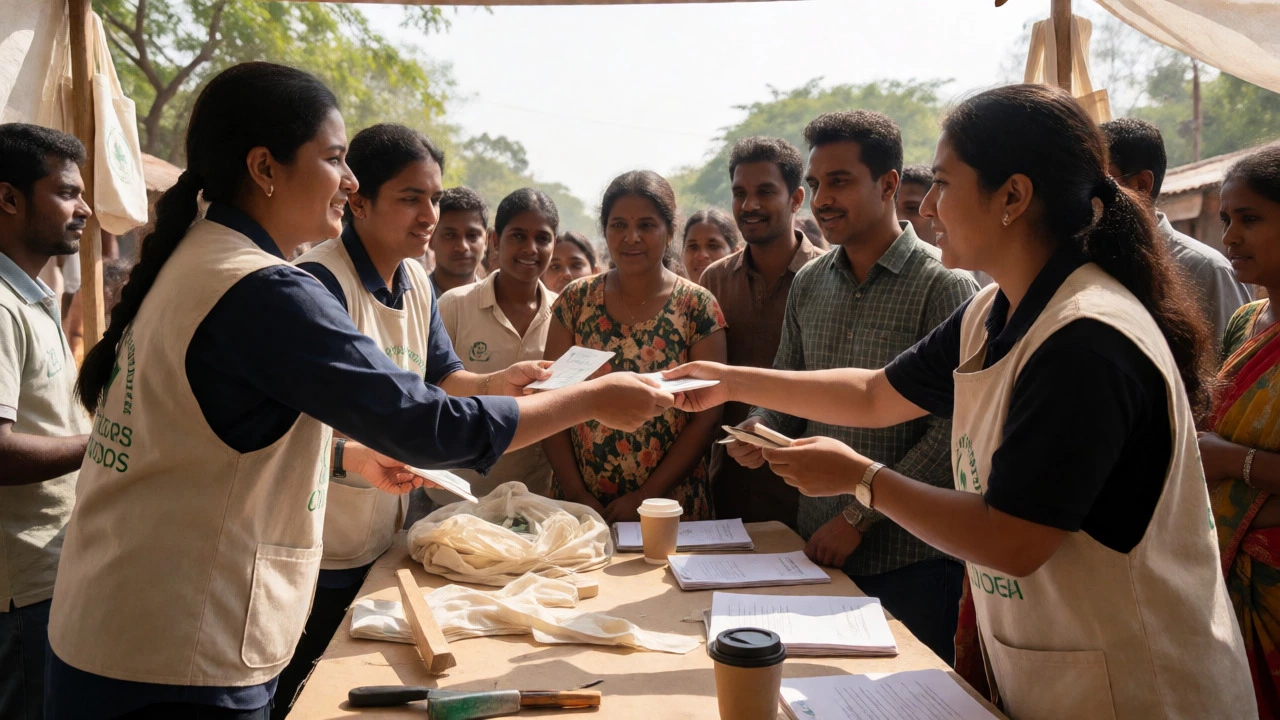
Money makes the world go round, and it definitely keeps outreach programs alive. You don’t need millions, but you do need clarity. Build a detailed budget that covers direct costs (materials, food, transport) and indirect costs (insurance, marketing, admin time). Don’t forget hidden costs like phone bills or printing flyers.
Diversify your funding sources. Relying on a single grant is risky. If that grant ends, your program dies. Aim for a mix of government grants, private donations, corporate sponsorships, and fundraising events. In New Zealand, look into community trusts, lottery grants, and local council community development funds. Each has different application processes and timelines, so start early.
Transparency builds trust. Share your budget breakdown with donors and the community. People are more likely to give when they see exactly where their money goes. If you raise $1,000, show them that $800 went to food, $100 to transport, and $100 to admin. This honesty fosters long-term support.
Execute with Consistency and Flexibility
Launch day is exciting, but the real work begins afterward. Consistency is key. If you promise weekly workshops, hold them every week, rain or shine. Reliability builds trust. People will only engage with your program if they know they can count on it.
However, stay flexible. The community’s needs might shift. Maybe the initial location is too far from public transport. Maybe the timing clashes with local school holidays. Be willing to adapt. Regularly check in with participants. Ask them what’s working and what isn’t. Their feedback is gold.
Communication is your lifeline. Use multiple channels to reach your audience. Social media is great for updates, but don’t ignore traditional methods like posters in community centers, word-of-mouth, and local newsletters. In tight-knit communities, personal invitations often work better than digital ads. Ensure your messaging is clear, welcoming, and free of jargon.

Measure Impact and Iterate
How do you know if your program is working? You need to measure impact, not just activity. Counting the number of flyers handed out tells you little. Measuring the number of people who attended an event, stayed engaged for six months, or reported improved well-being tells you much more.
Set up simple tracking systems. Use sign-in sheets, surveys, and follow-up interviews. Ask participants to rate their experience and note any changes in their lives. Did they feel less isolated? Did they learn a new skill? Did they connect with neighbors? Qualitative stories are powerful tools for future fundraising and advocacy.
Review your data regularly. Monthly or quarterly reviews help you spot trends and address issues quickly. If participation drops, investigate why. Is the content stale? Is the timing bad? Adjust accordingly. Continuous improvement turns a good program into a great one.
Common Pitfalls to Avoid
Even well-intentioned programs stumble. Here are common traps to watch out for:
- Burnout: Trying to do too much with too few people. Pace yourself and delegate.
- Lack of Community Buy-in: Designing the program without input from those it serves. Always co-create.
- Poor Communication: Failing to keep stakeholders informed. Regular updates prevent misunderstandings.
- Ignoring Sustainability: Planning for year one but not year two. Build financial and operational resilience from the start.
Organizing a community outreach program is challenging but rewarding. It requires patience, empathy, and a willingness to listen. By focusing on real needs, building strong teams, managing resources wisely, and measuring impact honestly, you can create lasting change. Start small, stay consistent, and never stop learning from the community you serve.
How much does it cost to start a community outreach program?
Costs vary widely depending on scope. A minimal volunteer-led initiative might cost under $500 for basic supplies and marketing. Larger programs requiring venues, insurance, and part-time staff could range from $5,000 to $20,000 annually. Always budget for unexpected expenses.
Do I need legal registration for my outreach program?
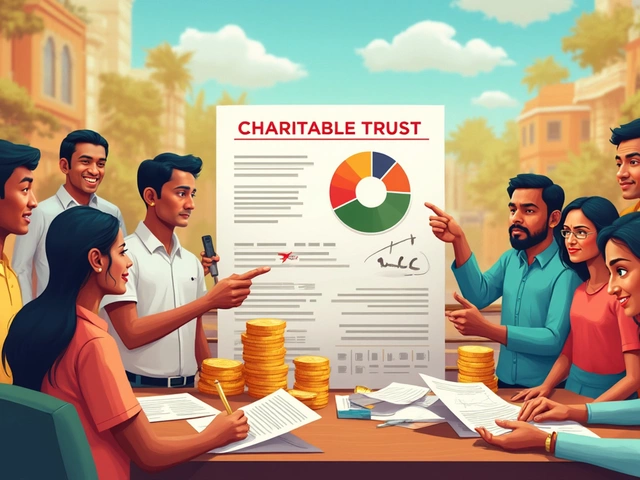
In New Zealand, registering as an incorporated society or charitable trust provides legal protection and tax benefits. While not strictly mandatory for informal groups, registration enhances credibility with funders and allows you to open bank accounts and apply for grants.
How do I find volunteers for my program?
Use platforms like Volunteer NZ, local university career centers, and corporate volunteer schemes. Post clear role descriptions highlighting the impact. Word-of-mouth remains powerful; ask current volunteers to refer friends. Host an open house to showcase your mission.
What are the best ways to measure community impact?
Combine quantitative metrics (attendance numbers, hours served, funds raised) with qualitative data (participant testimonials, case studies, satisfaction surveys). Tracking longitudinal changes, such as reduced isolation scores over six months, provides deeper insight than snapshot data.
How often should I review my program’s effectiveness?
Conduct informal checks monthly to address immediate issues. Perform formal evaluations quarterly or bi-annually to assess goal achievement and strategic alignment. Annual reviews are crucial for long-term planning and funding applications.