Free Throw Fundraiser Calculator
Estimate Your Fundraising Potential
Use this calculator to estimate how much you can raise with your free throw fundraiser. Based on real-world examples from schools and community groups.
Estimated Results
Based on data from the article:
- Small event: 50 people = $200-$500
- Moderate event: 150 people = $1,500-$3,000
- Big event: 300+ people = $5,000-$12,000
Want to raise money for a good cause without spending a dime on permits, rentals, or fancy gear? A free throw fundraiser might be the simplest, most fun way to get people donating - and playing. All you need is a basketball hoop, a few volunteers, and a crowd ready to cheer. This isn’t just for schools or gyms. Churches, neighborhood groups, and even local businesses have used this idea to raise thousands in a single day.
Why a Free Throw Fundraiser Works
It’s easy to understand. People love watching others try something challenging - especially when there’s a reward. A free throw is simple: one shot, one chance, one basket. But when someone’s got to make five in a row to win a prize, or when you’re paying $5 per shot to help kids’ sports gear, it gets exciting. People don’t just donate - they play. And they bring friends.
Unlike silent auctions or bake sales, this event creates energy. You hear the ball swishing, the crowd yelling, kids laughing. It’s not just fundraising - it’s a mini-event. And because it’s low-cost, almost every dollar raised goes straight to your cause.
Step-by-Step: How to Set It Up
- Choose your cause. Are you raising money for new uniforms? A trip to a regional tournament? A local food bank? Be clear. People give more when they know exactly where their money goes.
- Find a location. A school gym, community center, or even a parking lot with a hoop works. Make sure it’s safe, visible, and has space for spectators. If you’re outside, have a backup plan for rain.
- Get a hoop. You don’t need a fancy one. A standard basketball hoop with a backboard is fine. If you don’t have one, ask a local school, YMCA, or sports club to borrow theirs. Many will lend it for free if you explain it’s for charity.
- Decide how people can play. Here are two popular formats:
- Pay-per-shot: $1 per shot. No pressure. People can shoot as many times as they want. Great for casual fun.
- Challenge format: Pay $5 to try to make 5 out of 10. If they succeed, they win a small prize - a basketball, a gift card, or even just a trophy. This creates competition and draws crowds.
You can mix both. Let people try the challenge first, then stay for casual shots.
Set Up the Rules Clearly
Confusion kills momentum. Write out simple rules and post them on a clipboard or chalkboard:
- One shot per attempt (no re-tries after a miss, unless you’re doing the pay-per-shot option)
- Must shoot from behind the free throw line (standard 15 feet from the basket)
- Only one ball in play at a time - no crowding
- Players must be 8+ years old (or adjust as needed)
- Prizes go to those who make 5 out of 10 (or whatever you set)
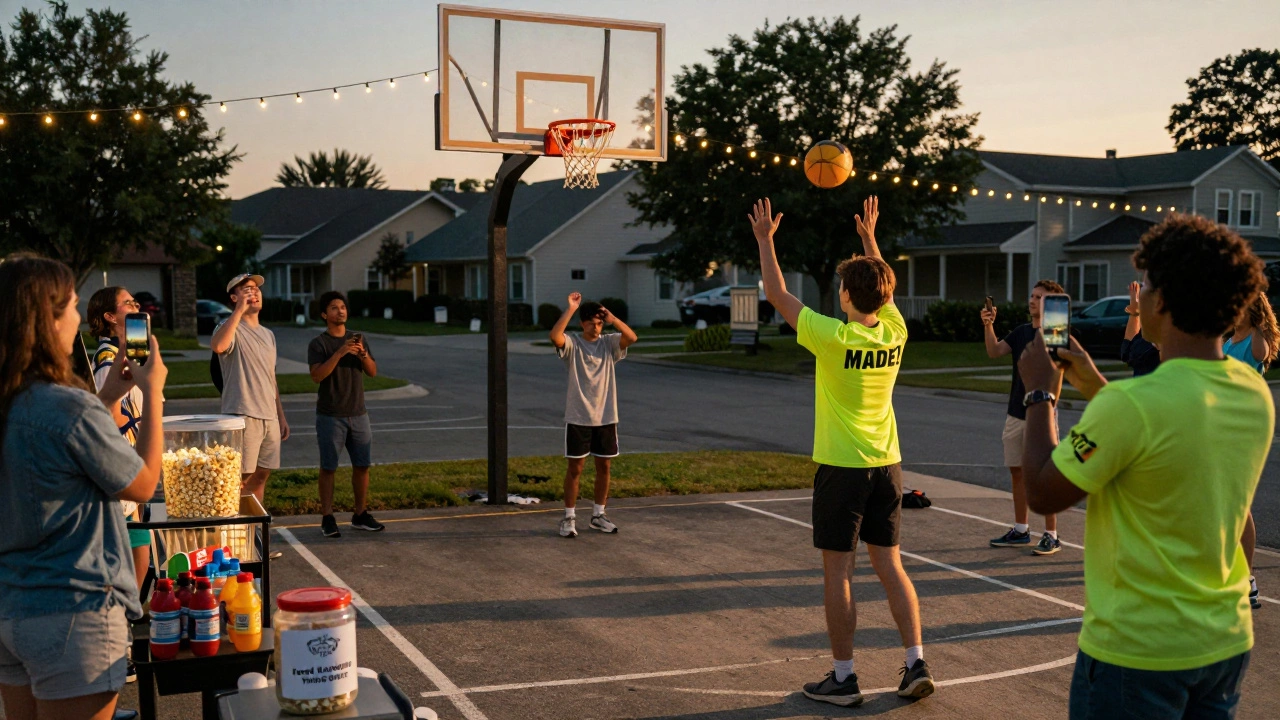
Have someone in a bright shirt or hat be the official scorer. That person calls out each shot: “Made!” or “Missed!” and keeps track. It adds drama.
Make It Fun - Don’t Just Ask for Money
People remember experiences. Add these little touches:
- Play music. A playlist of upbeat songs keeps energy high.
- Wear team gear. Volunteers wear matching T-shirts with your cause’s logo.
- Have a snack stand. Sell water, popcorn, or hot dogs. Even $2 snacks bring in extra cash.
- Invite local athletes. Get a high school player or college athlete to show off their free throws. People love seeing skill.
- Create a leaderboard. Post names of top shooters. “Top 5 Shooters of the Day” gets people competing.
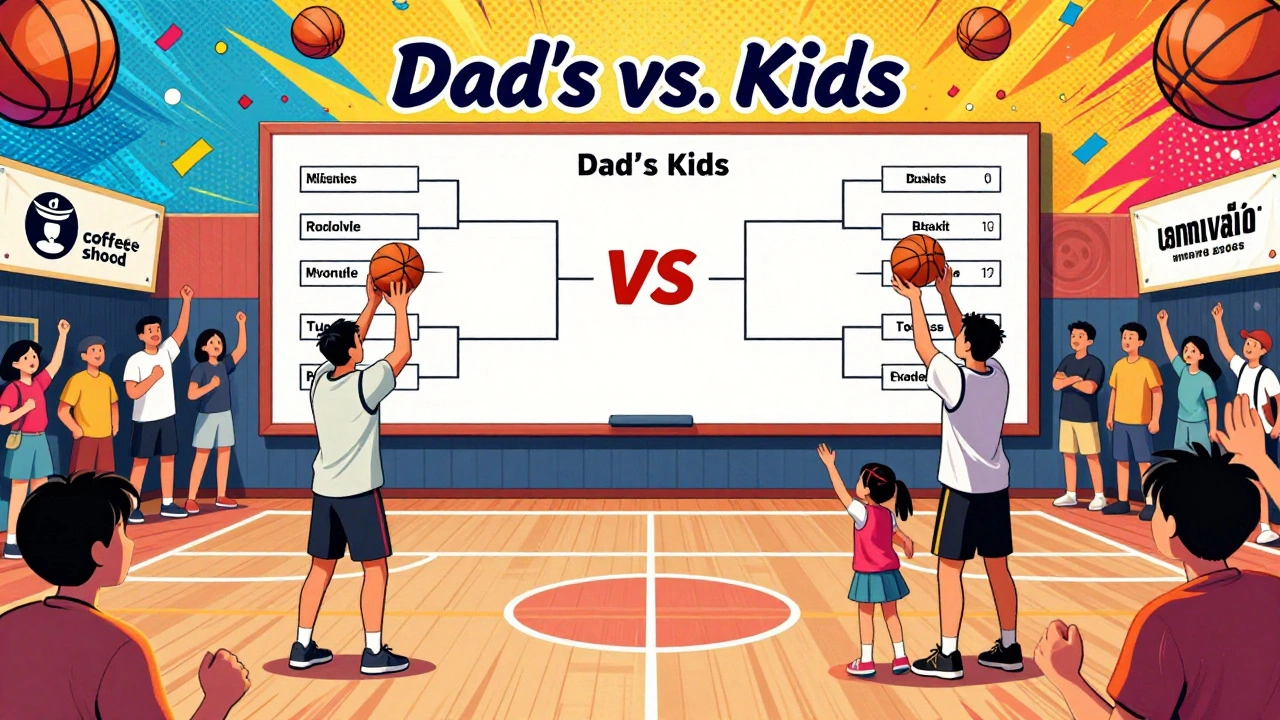
One group in Christchurch did this with a “Dad’s vs. Kids” bracket. Parents shot against their kids. The winner got a trophy and a free ice cream. They raised $8,000 in four hours.
Collect Money Safely and Easily
Use cashless options. Even if you’re in a small town, QR codes work. Set up:
- A Venmo or PayPal QR code on a sign
- A Square reader or Eftpos terminal for card payments
- A donation jar with a clear label: “All money goes to [cause]”
Have at least two volunteers handling money - one takes it, one records it. Write down every donation, even $1. People trust transparency.
Get the Word Out
You don’t need a big ad budget. Use what you’ve got:
- Post on Facebook groups: “Local Parents,” “Wellington Community Events,” “High School Sports Network”
- Ask your school or church newsletter to feature it
- Put up flyers at libraries, grocery stores, and bus stops
- Text your family and friends: “We’re doing a free throw event Saturday. Can you come? Bring your squad.”
One youth group in Palmerston North got 200 people to show up just by texting their entire soccer club. That’s 200 shots. That’s $1,000+ before snacks.
What to Do After the Event
Don’t just pack up. Follow up.
- Post photos and videos on social media with a thank-you message and the total raised
- Email everyone who donated: “Thanks for helping us raise $6,200 for new basketballs!”
- Send a simple thank-you card to the gym owner, the local business that donated snacks, the volunteers
- Ask: “Want to do this again next year?”
People who show up once often come back. One church in Dunedin has done a free throw fundraiser every spring for six years. Last year, they raised $15,000.
Real Numbers: How Much Can You Raise?
It depends on size, but here’s what’s realistic:
- Small event (50 people, $1 per shot): $200-$500
- Moderate event (150 people, $5 challenge): $1,500-$3,000
- Big event (300+ people, snacks, sponsorships): $5,000-$12,000
One high school in Tauranga raised $9,400 in a single day. They had 12 local businesses sponsor prizes. They didn’t ask for money - they asked for donations of goods. A coffee shop gave gift cards. A sporting store donated basketballs. That cut costs and boosted donations.
Common Mistakes to Avoid
- Not having enough volunteers. You need at least 5: one for scoring, two for money, one for crowd control, one for snacks.
- Forgetting the ball. Bring two. Balls get lost. Balls get deflated.
- Not having a backup plan. Rain? Move it indoors. Wind? Use a heavier ball.
- Overcomplicating the rules. Keep it simple. If people don’t get it, they walk away.
- Not thanking people. A thank-you matters more than you think. It turns one-time donors into repeat supporters.
Next Steps: Ready to Try It?
Start small. Pick a date - even just two weeks from now. Talk to your school principal, your local club, or your neighbors. Find a hoop. Set a goal. Make a sign. Post it. Show up. Shoot. Collect. Celebrate.
You don’t need a big budget. You just need a hoop, a few people, and the courage to ask. This isn’t about being perfect. It’s about showing up - and letting others see that a simple shot can change something real.
Do I need permission to set up a free throw fundraiser on public property?
Yes, if you’re using a public park, sidewalk, or community center, you’ll usually need a permit. Check with your local city council or parks department. Many places have a simple form for small community events. If you’re on private property - like a school or church - ask the owner. Most will say yes if you explain it’s for charity.
Can adults participate in a free throw fundraiser?
Absolutely. In fact, adult participation often brings in more donations. Many fundraisers include a “Parent Challenge” or “Local Celebrity Shootout” to draw crowds. Even if someone can’t make a shot, they’ll still donate to support the cause. Don’t limit it to kids - make it a community event.
What’s a good prize for the challenge winners?
Prizes don’t have to be expensive. A basketball, a gift card to a local café, a team jersey, or even a certificate titled “Free Throw Champion” work well. Some groups partner with local businesses - a gym offers a free month of membership, a bookstore gives a $20 voucher. These cost the business little but feel valuable to winners.
How long should a free throw fundraiser last?
Four to six hours is ideal. Start at 10 a.m. and end at 4 p.m. That gives families time to come after school or work. You can extend it to a full day if you’re doing a big event with food, music, and multiple rounds. But don’t go longer than eight hours - energy drops after that.
Can I run this fundraiser without a basketball hoop?
Not really. A hoop is essential. But you don’t need to buy one. Borrow from a school, church, or sports club. Many have extra hoops in storage. You can also rent one from a party supply company for under $100. Or, if you’re on a tight budget, use a wall with a taped-on circle and a soft ball - it’s not official, but it still works for casual play and donations.