Fundraiser Duration Planner
Why this duration?
Time Allocation (70/30 Rule)
Sample Schedule Breakdown
⚠️ Logistics Check
Select an event type and enter attendees to see the optimal timeline.
You’ve booked the venue. You’ve printed the tickets. You’ve even practiced your speech three times in the bathroom mirror. But there’s one question that keeps popping up at every committee meeting, and it’s surprisingly hard to answer: how long should this thing actually last?
It’s not just about filling a calendar slot. Get the timing wrong, and you risk two distinct nightmares. Too short? Guests feel rushed, donations get skipped because people are checking their watches, and the vibe feels transactional rather than communal. Too long? Energy crashes, donors start eyeing the exit, and your best supporters leave before the final appeal lands. In my experience organizing community drives here in Wellington, I’ve seen events flop not because of bad causes, but because of bad clocks.
The Psychological Clock of Giving
Donors aren’t just wallets with legs; they’re humans with attention spans. Research from the Association of Fundraising Professionals suggests that donor engagement peaks within the first 60 to 90 minutes of an event. After that, cognitive fatigue sets in. People stop listening to stories about impact and start thinking about dinner or traffic.
Think about it like a movie. If the plot takes too long to resolve, you check out. A fundraiser needs a clear narrative arc: Hook (why we’re here), Emotional Connection (who we help), Call to Action (give now), and Celebration (thank you). This arc doesn’t need five hours. It needs focus.
Duration Benchmarks by Event Type
There is no one-size-fits-all answer. A silent auction behaves differently than a breakfast briefing. Here’s what works based on real-world data from successful campaigns:
| Event Type | Ideal Duration | Why This Works |
|---|---|---|
| Gala Dinner | 3.5 - 4 Hours | Allows for cocktails, seated meal, speeches, and auction without rushing digestion or conversation. |
| Silent Auction Night | 2 - 2.5 Hours | Bidding requires movement and energy. Long nights kill bidding momentum after hour two. |
| Luncheon/Breakfast | 1.5 - 2 Hours | Professional audiences have tight schedules. Respect their workday boundaries. |
| Community Walk/Run | 3 - 5 Hours (Daytime) | Families stay longer if there are activities for kids, but the core fundraising window is shorter. |
The 70/30 Rule of Engagement
Here’s a rule of thumb that saves lives (and budgets): Spend 70% of your time building relationships and only 30% asking for money. If your event lasts four hours, that means roughly 84 minutes of direct solicitation, speeches, and appeals. The rest? Mingling, eating, laughing, and enjoying the cause.
When organizers try to cram more "ask" time into a longer event, they usually dilute the message. I once attended a five-hour gala where the host spoke for 45 minutes straight. By the end, half the room was on their phones. Contrast that with a two-hour cocktail party where the executive director gave a sharp, five-minute story followed by a QR code on every table. That small event raised 20% more per head than the marathon gala.
Structuring Your Timeline for Success
Let’s break down a standard 3.5-hour evening gala. Notice how the energy flows:
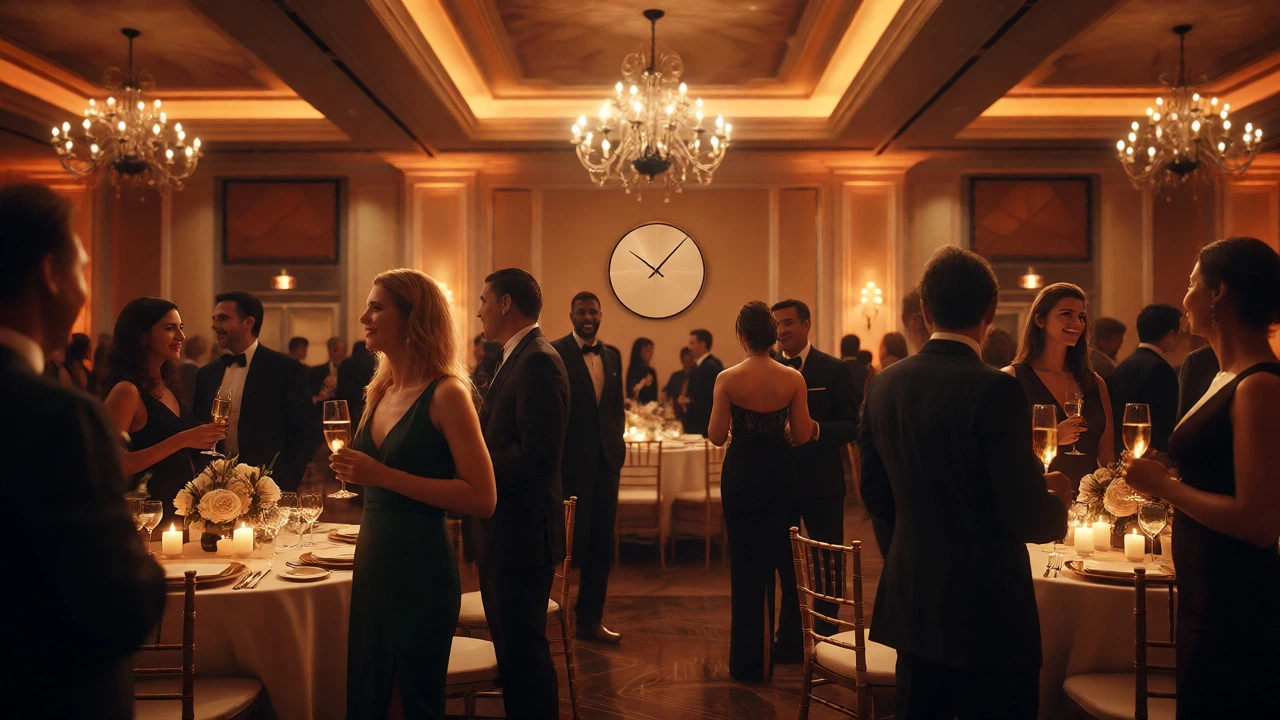
- Hour 0:00-0:45 (Arrival & Cocktails): No speeches. Just music, drinks, and browsing silent auction items. Let people settle in.
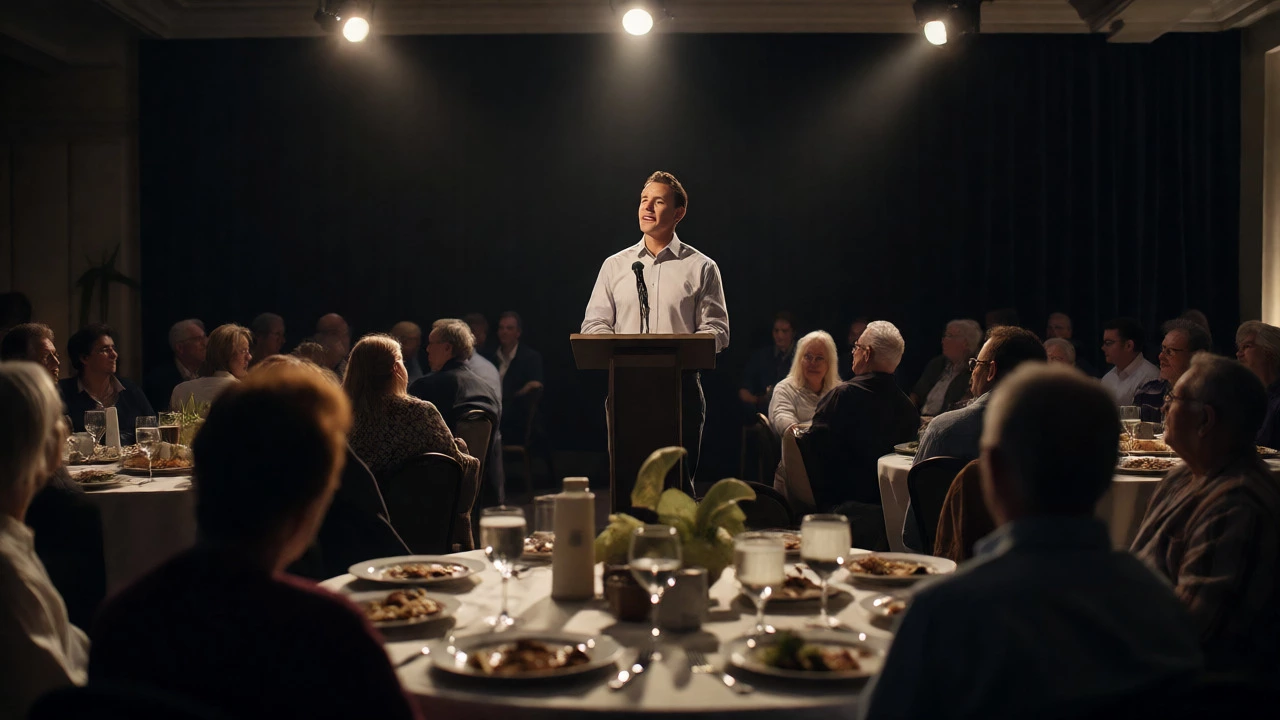
- Hour 0:45-1:00 (Welcome & Story): Short welcome. One powerful beneficiary story. Keep it under 10 minutes.
- Hour 1:00-1:45 (Dinner Service): Food arrives. Conversations happen. Low pressure.
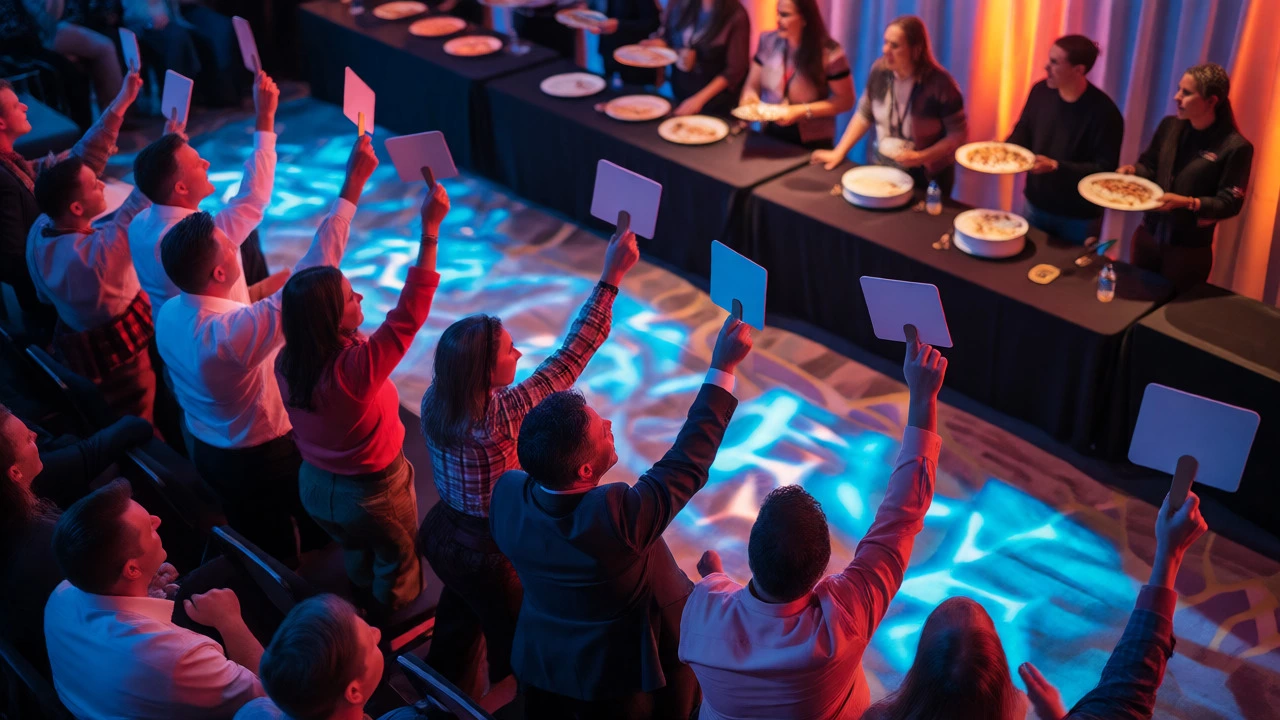
- Hour 1:45-2:15 (The Main Appeal): This is your prime time. Lights dim, speakers take stage, paddle raises go up. Do not interrupt dinner service for this.
- Hour 2:15-3:00 (Live Auction & Dessert): High energy. Fun competition. Keep bids moving fast.
- Hour 3:00-3:30 (Closing Thanks & Departure): Thank sponsors. Direct people to checkout. End on a high note, not a fade-out.
Notice there is no "dead air." Every minute has a purpose. If you extend this to four hours, add another hour of networking before dinner, but do not stretch the speeches.
Pitfalls That Waste Time
Where do fundraisers lose control of the clock? Usually, it’s logistical bottlenecks disguised as programming choices.
The Registration Jam: If 200 people arrive at 7:00 PM and your registration desk handles one person per minute, you’ve lost an hour of mingling. Use digital check-in kiosks or pre-printed badges. Speed matters.
The Over-Booked Speaker Lineup: Three speakers at ten minutes each is fine. Five speakers at fifteen minutes each is a disaster. Cut the list. Quality over quantity. Always.
Auction Slowdowns: Silent auctions can drag if the layout is confusing. Place popular items near the bar, not in the back corner. If bidding stalls, use a live announcer to create urgency, but don’t let the auction run past its natural peak.
Local Context Matters
If you’re planning in New Zealand or similar regions, consider the cultural pace. Kiwis value relaxed social interaction. A rigid, military-style schedule might feel cold. Allow buffer time for informal chats. However, don’t confuse "relaxed" with "disorganized." Start on time. If doors open at 6:30, the program starts at 7:30 sharp. Late arrivals miss the emotional hook, which hurts conversion rates.
Also, consider daylight. In winter, a 5:00 PM start works better than 7:00 PM so people can drive home in light. In summer, later starts allow for outdoor mingling. Adjust your duration windows based on seasonality.
How to Test Your Timing
Before you book the big hall, run a dry run. Gather your core team. Simulate the flow. Time the transitions. How long does it take to move 100 people from cocktails to dining? Ten minutes? Fifteen? Factor that into your schedule.
Ask your board members: "At what point did you feel bored?" Their honest feedback is gold. If they checked their phones during the second speaker, cut the third speaker.
Ultimately, the right length is the shortest possible time needed to tell your story and collect donations. Don’t pad it. Don’t rush it. Just respect the clock, and you’ll respect your donors’ generosity.
Is a longer event always better for fundraising?
No. Longer events often lead to donor fatigue. Data shows that donation conversion rates drop significantly after the 90-minute mark unless the event includes significant entertainment or interactive elements like a live auction. Shorter, focused events tend to have higher average gift sizes because attendees remain engaged throughout the entire ask.
How long should a lunch fundraiser be?
For professional audiences, keep lunch fundraisers to 90 minutes maximum. Attendees often have strict work schedules. A tight, efficient 90-minute program allows for a brief welcome, a short keynote, a quick meal, and a clear call to action without encroaching on their afternoon productivity.
What happens if our event runs over time?
Running over time signals poor organization and disrespects guests' commitments. It leads to early departures, meaning you lose potential late-night pledges. To fix this, enforce strict time limits on speakers using visible timers and ensure food service is synchronized with the program schedule to avoid delays.
Does adding dancing extend the event successfully?
Yes, but only if placed correctly. Dancing should occur after the main solicitation phase. If you put dancing before the ask, guests may spend all their energy on the dance floor and have less capacity to listen to your mission statement. Use dancing as a celebration reward after donations are collected.
How do we handle slow silent auctions?
If bidding slows down, it’s usually due to poor visibility or lack of urgency. Move high-value items to high-traffic areas. Have volunteers circulate with clipboards to encourage bids. Set a clear closing time and announce countdowns (e.g., "Last call for bid on the Hawaii trip!") to create scarcity and prompt last-minute decisions.