
Massachusetts Senior Assistance Navigator
Follow this streamlined process to access the support you need. Check off each step as you complete it.
Step 1: Contact Your Local AAA
Start HereFind your nearest Area Agency on Aging. They act as a one-stop shop for referrals and can discuss your specific needs.
- Visited MCOA website or called 1-800-343-7200
- Identified local AAA office location
- Spoke with a representative about services
Step 2: Gather Documentation
Prepare these documents before applying to speed up the process.
- Proof of income (tax returns, SS statements)
- Identification (driver’s license, birth certificate)
- Medical records (if applying for care services)
- Proof of residency
Step 3: Apply for MassHealth
If you need medical or home care, apply for MassHealth online. This determines eligibility for IHSS and other health benefits.
- Accessed mass.gov/masshealth
- Completed online application form
- Submitted required financial documents
Step 4: Check DTA Benefits
Apply for SSI, rental assistance, or utility help through the Department of Transitional Assistance.
- Visited dta.mass.gov
- Checked eligibility for SSI/Rental Aid
- Submitted application online or in person
Step 5: Follow Up & Coordinate
Applications take time. Stay proactive and ask for a case manager to coordinate multiple services.
- Kept copies of all submissions
- Set calendar reminders for status checks
- Requested a case manager assignment
Great Progress!
You have completed 0 out of 5 steps. Keep going to ensure you don't miss out on benefits you qualify for.
Remember: Persistence pays off. Don't hesitate to ask for help from legal aid societies if you face issues.
Watching an aging parent or loved one struggle to manage daily life is stressful. You might wonder if they can afford their medications, stay safe at home, or get the meals they need. In Massachusetts, you are not alone in this challenge. The state offers a robust network of elderly assistance programs designed to help seniors age with dignity and independence. However, navigating these resources can feel like decoding a foreign language.
This guide breaks down the key programs available in Massachusetts for 2026. We will look at who qualifies, what services are covered, and how to apply. Whether you need help with finances, home care, or transportation, there is likely a program that fits your situation.
Understanding the Landscape of Senior Care in Massachusetts
Before diving into specific programs, it helps to understand how the system works. Elderly care in Massachusetts is not run by a single entity. Instead, it is a patchwork of state agencies, federal partnerships, and local organizations. The central hub for most non-medical support is the Massachusetts Commission on Aging (MCOA), which coordinates services across the state. They work closely with Area Agencies on Aging (AAAs), which are local offices that deliver services directly to communities.
On the medical side, MassHealth is the state’s Medicaid program. It covers health insurance for low-income residents, including many seniors. Understanding the difference between MCOA (social services) and MassHealth (medical coverage) is crucial because they handle different types of needs.
| Organization | Primary Role | Type of Support |
|---|---|---|
| Massachusetts Commission on Aging (MCOA) | Statewide coordination | Information, referral, advocacy |
| Area Agencies on Aging (AAAs) | Local service delivery | Meals, transportation, case management |
| MassHealth | Medical insurance | Home care, nursing homes, prescriptions |
| Department of Transitional Assistance (DTA) | Financial aid | Supplemental Security Income (SSI), utility help |
Core Services: Meals, Transportation, and Home Help
For many seniors, the biggest challenges are basic daily tasks. Can they cook? Can they drive to the doctor? These questions determine which programs they qualify for. The most widely used services fall under three categories: nutrition, mobility, and personal care.
The National Senior Meal Program is a cornerstone of elderly assistance in Massachusetts. Administered through AAAs, it provides nutritious meals to seniors who cannot prepare them themselves. There are two main options: congregate meals, where seniors eat together at community centers, and home-delivered meals, often called "Meals on Wheels." The cost is typically a suggested donation of $4 for lunch and $3 for dinner, but no one is turned away for inability to pay. This program does more than feed people; it reduces isolation by creating social opportunities.
Transportation is another critical gap. Many seniors lose their driving privileges due to vision issues or cognitive decline. The Senior Ride program, coordinated by AAAs, offers non-emergency medical transportation. It can take seniors to doctor appointments, grocery stores, or pharmacy visits. Eligibility usually requires being 60 or older and having limited income or mobility. In Boston, the Silver Line bus route also provides free or low-cost transit specifically designed for seniors, connecting them to healthcare hubs like Massachusetts General Hospital.
When seniors need help with bathing, dressing, or moving around, they may qualify for In-Home Supportive Services (IHSS). Funded by MassHealth, IHSS pays for caregivers to assist with activities of daily living (ADLs). This is not skilled nursing care; it is practical help that allows seniors to stay in their own homes rather than moving to a facility. To qualify, applicants must meet strict financial criteria and have a documented medical need for assistance.

Financial Assistance and Housing Support
Money troubles often force difficult decisions about care. Fortunately, Massachusetts has several programs to ease financial pressure. The Supplemental Security Income (SSI) program, managed by the Department of Transitional Assistance (DTA), provides monthly cash payments to low-income seniors who are blind, disabled, or aged 65 and older. As of 2026, the federal SSI base rate is supplemented by Massachusetts, making it higher than in many other states.
Housing costs can consume a large portion of a senior’s budget. The Rental Voucher Program helps eligible seniors pay rent. Additionally, the Weatherization Assistance Program offers free energy efficiency upgrades, such as insulation and heating system repairs, to reduce utility bills. For those struggling with immediate bills, the Lifeline Utility Assistance program provides discounts on electricity, gas, and water services.
If a senior owns their home but cannot maintain it, the Home Repair Program through AAAs can provide grants for essential repairs like fixing stairs, ramps, or roofs. This prevents falls and keeps homes safe. Note that these programs often have waiting lists, so applying early is advisable.
How to Apply: Step-by-Step Guide
Applying for elderly assistance programs can be overwhelming. Here is a streamlined approach to getting started:
- Contact Your Local AAA: Find your nearest Area Agency on Aging using the MCOA website. They act as a one-stop shop for referrals. Call their helpline to discuss your specific needs.
- Gather Documentation: Prepare proof of income (tax returns, Social Security statements), identification (driver’s license, birth certificate), and medical records if applying for care services.
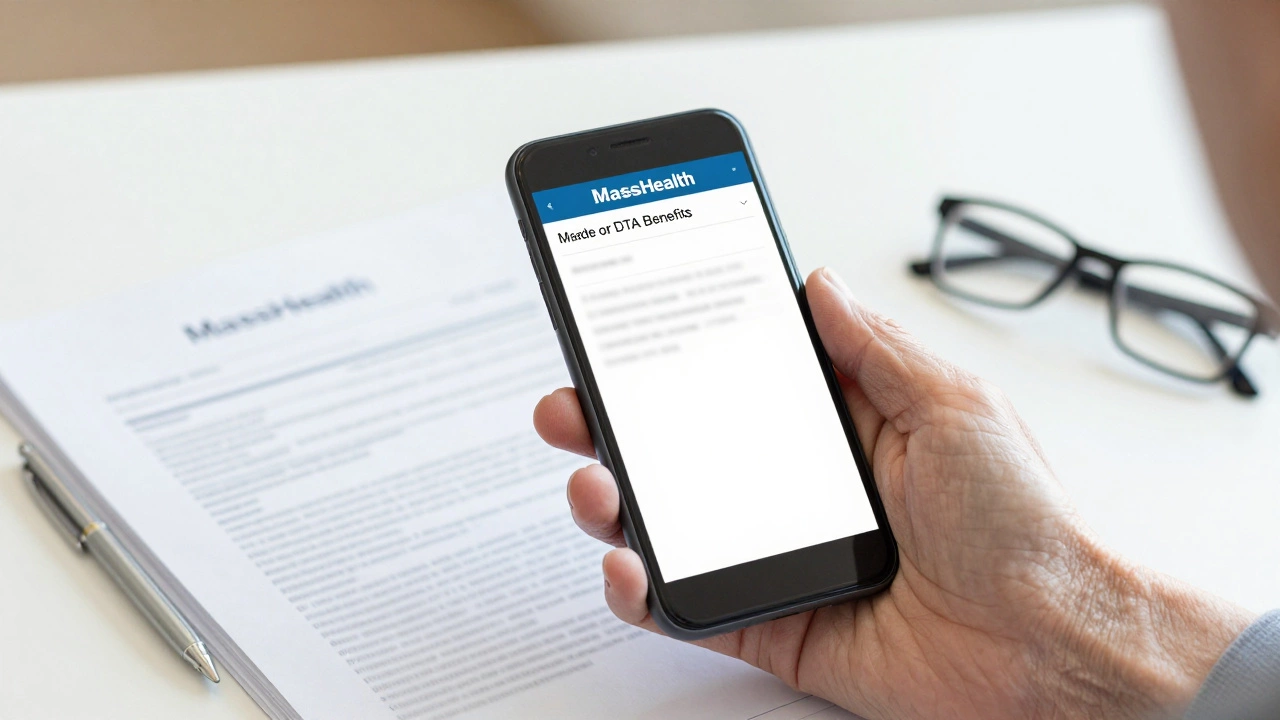
- Apply for MassHealth: If you need medical or home care, apply for MassHealth online at mass.gov/masshealth. This process determines eligibility for IHSS and other health-related benefits.
- Check DTA Benefits: Visit dta.mass.gov to apply for SSI, rental assistance, or utility help. You can start applications online or in person at a DTA office.
- Follow Up: Applications can take weeks or months. Keep copies of all submissions and call regularly for status updates.
Pro tip: Ask for a case manager. Once you are connected with an AAA or MassHealth plan, a case manager can help coordinate multiple services, ensuring you don’t miss out on benefits you qualify for.
Specialized Programs for Specific Needs
Not all seniors have the same needs. Some require specialized support based on health conditions or lifestyle choices.
For those with dementia or Alzheimer’s, the Dementia Care Program offers respite care, caregiver training, and memory care facilities. Respite care gives family caregivers a break by providing temporary supervision for their loved ones. This is vital for preventing caregiver burnout.
Veterans over 65 can access additional benefits through the VA Healthcare System. This includes pension benefits, home-based primary care, and adaptive housing grants. Veterans should contact the local VA office to explore these options, as they are separate from state programs.
Low-income seniors who live alone may benefit from the Emergency Response Systems, such as Lifeline buttons. Some counties subsidize the cost of these devices, which allow seniors to call for help in case of a fall or medical emergency.
Troubleshooting Common Issues
Even with good intentions, the application process can hit snags. Here are common problems and how to solve them:
- Denied MassHealth Application: If denied, request an appeal within 90 days. You can ask for a fair hearing. Often, denials are due to missing paperwork rather than ineligibility.
- Long Waiting Lists: Programs like IHSS and housing vouchers have waitlists. While waiting, explore private nonprofit options or volunteer-driven services like local meal delivery groups.
- Confusion About Eligibility: Rules change frequently. Always verify current income limits on official .gov websites. Do not rely on outdated information from friends or forums.
- Language Barriers: MCOA and AAAs offer interpretation services. Request a translator when calling or visiting offices. You have the right to communicate in your preferred language.
Remember, persistence pays off. Bureaucracy moves slowly, but advocates and case managers can speed up the process. Don’t hesitate to ask for help from legal aid societies if you face unfair treatment.
Who qualifies for elderly assistance programs in Massachusetts?
Eligibility varies by program. Generally, you must be 60 or older for AAA services and 65 or older for MassHealth. Financial requirements apply for most aid, with income limits set by federal and state guidelines. Medical necessity is required for home care services like IHSS.
How much do Meals on Wheels cost in Massachusetts?
The suggested donation is $4 for lunch and $3 for dinner. However, no one is refused a meal due to inability to pay. The program is funded by government grants and private donations to ensure accessibility for all seniors.
Can I get help paying for my home care aide?
Yes, if you qualify for MassHealth. The In-Home Supportive Services (IHSS) program covers hours of personal care assistance. You will need to undergo an assessment to determine the number of hours you receive each month.
Where do I find my local Area Agency on Aging?
Visit the Massachusetts Commission on Aging website or call 1-800-343-7200. They will direct you to the AAA serving your county. Each AAA has its own phone number and office location for in-person assistance.
Is there free legal help for seniors in Massachusetts?
Yes, organizations like Legal Services of Northern Massachusetts and Southcoast Legal Aid offer free legal advice to low-income seniors. They can help with issues like elder abuse, housing rights, and benefit appeals.