Urban Survival: What It Really Means and How Communities Are Adapting
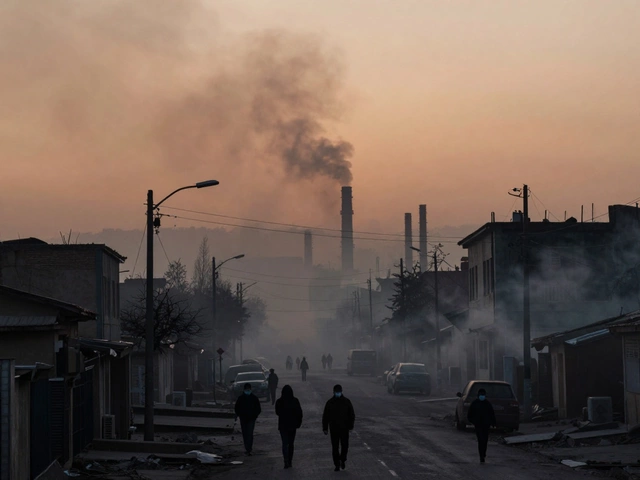
When we talk about urban survival, the ability of people in cities to meet basic needs during crises like power outages, food shortages, or extreme weather. Also known as city resilience, it's not about bunkers or stockpiles—it's about neighbors sharing water, local groups delivering meals, and volunteers organizing distribution points when official help is slow or missing. This isn’t fiction. In cities across India and beyond, when floods cut off roads or heatwaves overload grids, it’s community networks—not just government agencies—that keep people safe.
Community outreach, the direct connection between organizations and people who need help is the backbone of urban survival. Think of the volunteers who knock on doors in high-rises to check on elderly residents during power cuts. Or the youth clubs that turn empty school halls into cooling centers. These aren’t fancy programs—they’re simple, repeated acts of care. And they’re often run by people with no budget, no funding, and no title, just a sense of responsibility. This ties directly to volunteerism, the act of giving time without pay to support others, which is growing in cities not because people have extra time, but because they’ve seen what happens when systems break down. The decline in traditional volunteering isn’t a failure—it’s a shift. People now want to help in ways that fit their lives: short bursts, skill-based tasks, local impact.
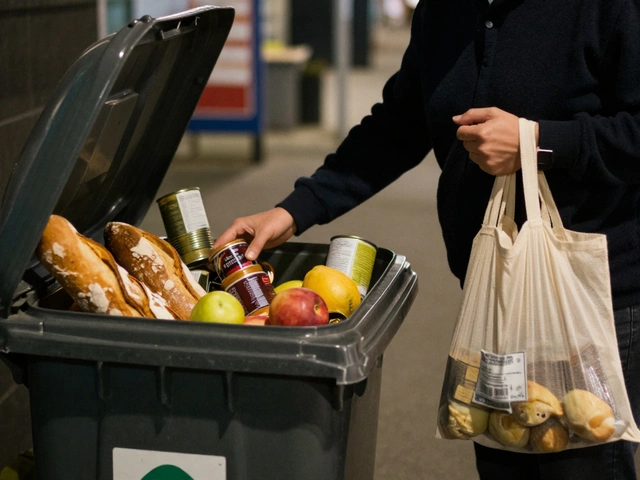
Urban survival also leans on environmental services, the natural processes that support human life, like clean air, water filtration, and urban green spaces. A city park isn’t just for walking—it’s a buffer during floods, a cooling zone during heatwaves, and a place where people gather to rebuild trust after a crisis. Meanwhile, charitable activity, any organized effort to help others without profit motive—whether it’s a food box program, a senior meal delivery, or a neighborhood tool library—is what turns survival from chaos into structure. These aren’t separate ideas. They’re threads in the same fabric: people helping people, using what’s available, where they are.
You won’t find magic solutions here. No one app can fix a broken water system. No single charity can feed a whole block. But you’ll find real examples—people in India turning school clubs into emergency response teams, local trusts managing food distribution, outreach workers mapping who’s most at risk in their neighborhoods. These aren’t grand gestures. They’re quiet, daily acts that add up. And if you’ve ever wondered how communities stay strong when everything else falls apart, the answers are already happening right outside your door.
27 February 2025
Elara Greenwood
Sleeping on the side of the road might seem like a quick fix when you're out of options, but it's more complicated than it sounds. From laws and local regulations to safety tips, there's much to consider. This guide covers the essentials you need to know about roadside sleeping, highlighting potential consequences and offering alternative solutions. Whether you're temporarily homeless or an adventurous traveler, gain insight into this challenging situation.
Continue Reading...