
Environmental Charity Matchmaker
You want to help the planet, but where does your money actually go? It’s a fair question. With thousands of environmental charities claiming to save the world, it is hard to know which ones are effective and which are just good at marketing. You aren’t just looking for a logo on a t-shirt; you want to see real trees planted, real oceans cleaned, or real laws passed.
This guide cuts through the noise. We are not listing every group with a leaf in its name. Instead, we focus on organizations that have proven track records, transparent finances, and measurable impact. Whether you care about saving polar bears, protecting rainforests, or fighting air pollution, there is a specific organization designed for that job. Here is how to choose the right one for you.
The Big Players: Global Conservation Giants
If you want broad impact across multiple ecosystems, the large international NGOs (non-governmental organizations) are your best bet. These groups have the resources to influence policy at the UN level while still doing boots-on-the-ground work.
World Wildlife Fund (WWF) is likely the first name that pops into your head. Founded in 1961, it operates in over 100 countries. Its primary attribute is species protection, focusing on endangered animals like tigers, pandas, and elephants. But WWF doesn’t just protect animals; it protects their habitats. If you donate here, you are supporting anti-poaching units in Africa and forest restoration projects in Asia.
Another heavyweight is The Nature Conservancy. Unlike some groups that rely heavily on advocacy, this organization focuses on land acquisition. They literally buy land to protect it. Since its founding in 1951, they have protected more than 125 million acres worldwide. This approach is concrete: if you give $100, you can often trace exactly which acre of wetland or forest it helped preserve.
| Organization | Primary Focus | Key Strategy | Best For |
|---|---|---|---|
| World Wildlife Fund | Biodiversity & Species | Habitat Protection & Anti-Poaching | Animal lovers |
| The Nature Conservancy | Land & Water Preservation | Direct Land Acquisition | Tangible asset protection |
| Greenpeace | Climate & Pollution | Direct Action & Advocacy | Activists & Policy change |
| Conservation International | Ecosystem Services | Science-based Solutions | Data-driven donors |
Fighting Climate Change Directly
Some people feel that preserving nature isn’t enough if the climate keeps heating up. For these donors, general conservation might feel too slow. You need organizations that target carbon emissions and energy systems directly.
350.org is a grassroots movement focused entirely on ending fossil fuel use. Their name comes from the scientific consensus that 350 parts per million of CO2 in the atmosphere is the safe limit for life on Earth. They don’t buy land; they organize protests, lobby governments, and push for divestment from oil companies. If you believe systemic political change is the only way to save the earth, this is your lane.
For a more technical approach, look at Climateworks. This is a newer player in the game. Rather than funding broad awareness campaigns, Climateworks uses rigorous data analysis to identify which environmental interventions do the most good per dollar. They fund projects like direct air capture technology or methane removal. It’s less emotional, more mathematical, and highly effective if you want your donation to maximize carbon reduction.
Ocean and Water Guardians
The ocean covers 70% of our planet, yet it often gets less attention than forests. If plastic pollution or coral bleaching keeps you up at night, specialized marine charities offer a clearer path to impact.
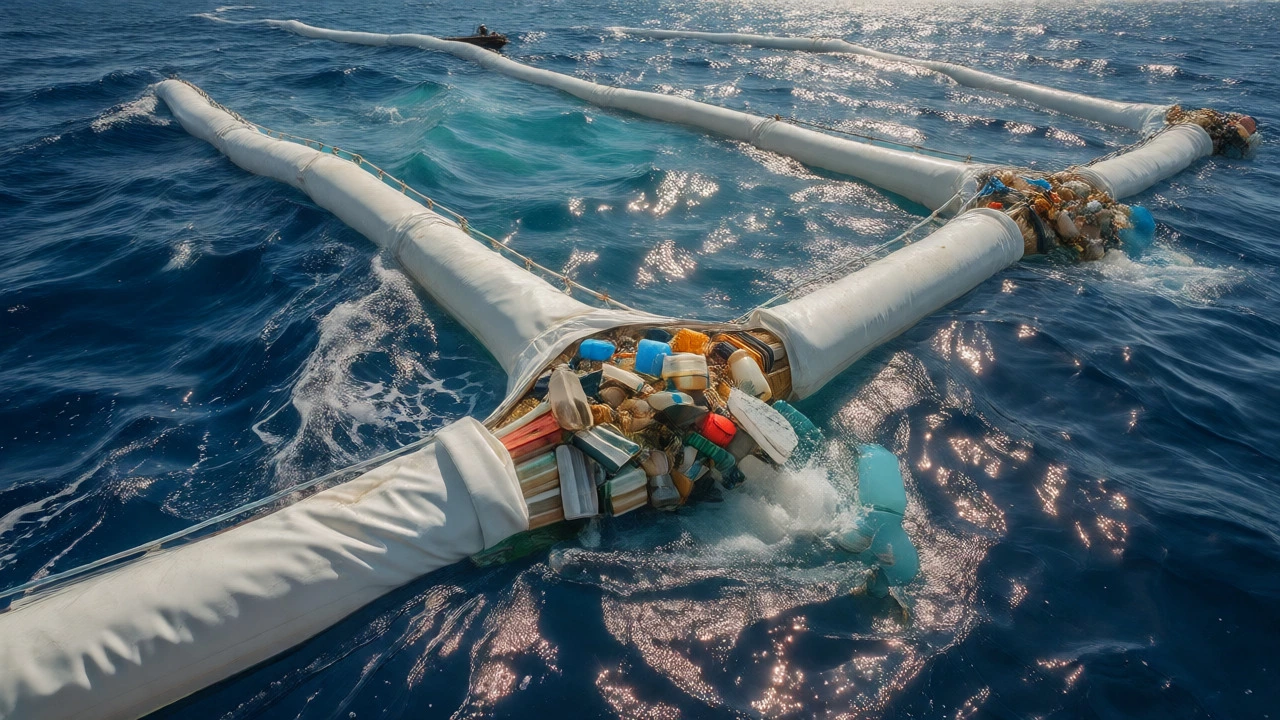
The Ocean Cleanup is famous for its massive floating barriers that scoop plastic out of garbage patches. While they are a non-profit, they operate with a tech-startup mindset. They also develop river interceptors-smaller devices placed in rivers to stop plastic before it reaches the sea. This is a great choice if you prefer engineering solutions over policy debates.
Alternatively, Sea Shepherd Conservation Society takes a more aggressive stance. Known for ramming whaling ships and blocking illegal fishing nets, they combine direct action with legal battles. They are controversial because of their confrontational tactics, but their results in disrupting illegal wildlife trade are undeniable. Choose them if you value boldness over diplomacy.
How to Vet a Charity Before Donating
Not all green logos are created equal. Some organizations spend 80% of their budget on fundraising rather than actual work. How do you check? Use independent watchdog sites like Charity Navigator or GuideStar.
- Check the Program Expense Ratio: Look for organizations that spend at least 75-80% of their revenue on programs, not admin or fundraising.
- Read the Annual Report: Good charities publish detailed reports showing exactly what they achieved. Did they plant 1 million trees? Did they pass a specific law? Vague promises are red flags.
- Look for Transparency: Are their board members listed? Do they disclose salaries? Lack of transparency usually hides inefficiency.
A common mistake is donating to a local "Save the Planet" group without checking if they are registered as a 501(c)(3) (in the US) or equivalent. Without this status, your donation isn’t tax-deductible, and the group might not be held to strict financial reporting standards.

Local vs. Global: Where Should Your Money Go?
This is the classic donor dilemma. Global charities have scale and expertise. Local charities have immediate visibility. If you donate to a global giant like WWF, you won’t see the tree you paid for. If you donate to a local river cleanup crew, you might see the trash bags being filled next Saturday.
Consider splitting your support. Allocate 70% to a high-impact global organization that tackles systemic issues like climate policy or deforestation. Then, allocate 30% to a local group working on water quality, urban green spaces, or recycling infrastructure in your city. This strategy balances macro-level change with micro-level community engagement.
Related Concepts and Connected Topics
Understanding environmental charities requires understanding the broader ecosystem of sustainability. These groups often collaborate with corporations, governments, and scientific bodies. For instance, many conservation groups now partner with indigenous communities, recognizing that native populations manage land more effectively than government agencies in many cases.
Also, keep an eye on emerging entities like Rainforest Alliance, which certifies products like coffee and chocolate. By buying certified goods, you indirectly fund conservation efforts. This links consumer behavior directly to charitable impact, creating a loop where market demand drives environmental protection.
Finally, remember that volunteering time is another form of contribution. Many of these organizations, from local chapters of the Sierra Club to big players like Greenpeace, rely on volunteers for events, lobbying days, and cleanups. If cash is tight, your time is equally valuable currency.
Which environmental charity has the lowest overhead costs?
While ratios change yearly, organizations like The Nature Conservancy and World Wildlife Fund consistently maintain low administrative costs, often spending over 80% of donations directly on programs. Always check current ratings on Charity Navigator for the most recent fiscal year data.
Is donating to Greenpeace effective?
Yes, but effectiveness depends on your goals. Greenpeace excels at raising public awareness and pressuring corporations through direct action. If you want to drive cultural shifts and corporate accountability, it is highly effective. If you prefer scientific research or land preservation, other groups may align better with your values.
Can I deduct my donation to an environmental charity?
In the United States, yes, provided the organization is a registered 501(c)(3) non-profit. Keep your receipt for tax purposes. In other countries, similar tax incentives exist for registered charities. Verify the organization's legal status on GuideStar or the relevant national registry before donating.
What is the difference between conservation and environmentalism?
Conservation typically focuses on sustainable use and management of natural resources (like forestry or fisheries), often associated with groups like The Nature Conservancy. Environmentalism often emphasizes protection from human interference and addressing pollution/climate change, associated with groups like Greenpeace. Both aim to protect the earth but use different strategies.
Are small local environmental groups worth supporting?
Absolutely. Small groups often address hyper-local issues like park maintenance, local waterway health, or community education. Your impact is visible and immediate. However, ensure they are legally registered and financially transparent to avoid inefficient operations.